The Imitation Game (2014) - The Mind That Changed the War
Film Review: The Imitation Game (2014)
Directed by Morten Tyldum
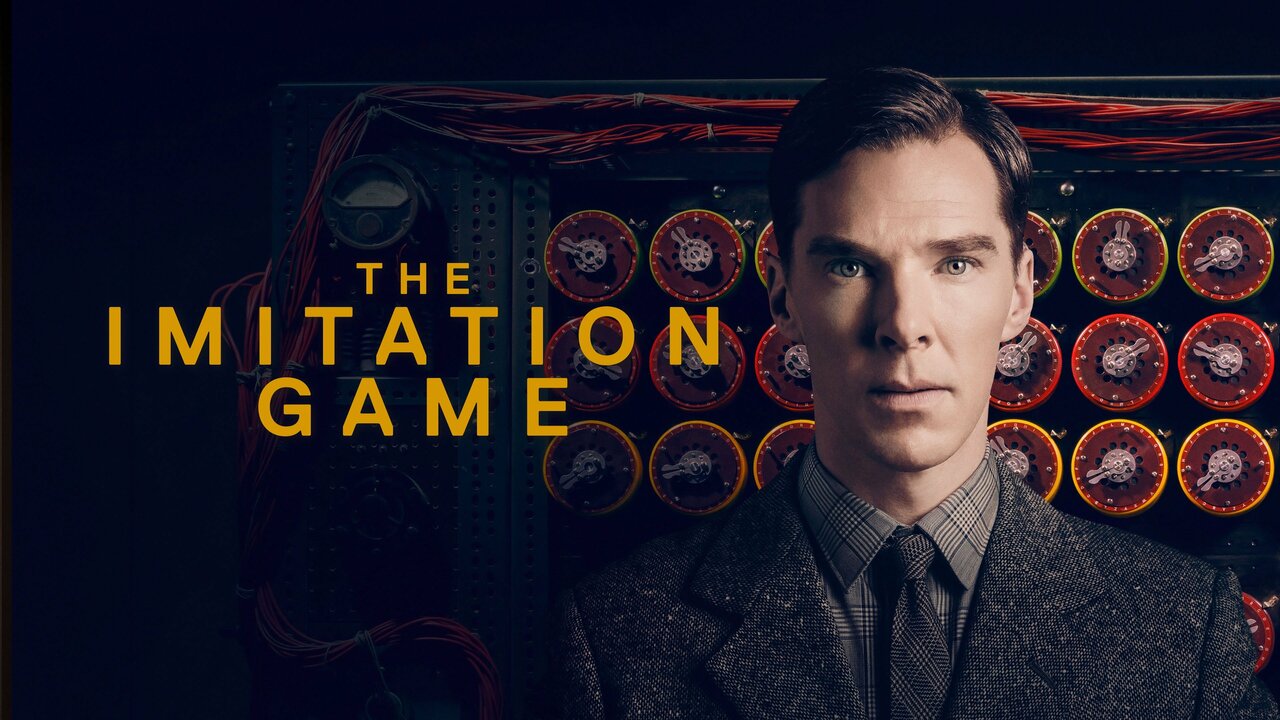
Introduction to Alan Turing’s Genius
The Imitation Game is a compelling historical drama that tells the story of Alan Turing, the brilliant British mathematician and logician who helped crack the Nazi Enigma code during World War II. Directed by Morten Tyldum and starring Benedict Cumberbatch, the film follows Turing’s pivotal work at Bletchley Park, where he led a team of codebreakers in developing the machine that would later be recognized as the foundation of modern computing.
The Three Phases of Turing’s Life
The film stands out for its emotional depth and dramatic structure, moving between three key periods in Turing’s life: his isolated youth at Sherborne School, his wartime efforts in defeating Germany’s encrypted military communications, and his post-war trial and persecution for homosexuality. These timelines combine to portray a deeply human story of innovation, alienation, and injustice.
Cumberbatch’s Masterful Performance
Cumberbatch’s portrayal captures Turing’s genius and vulnerability, showcasing his difficulty navigating social situations—possibly a sign of Asperger’s syndrome—as well as his determination to solve problems that others deemed unsolvable. The movie also explores Turing’s personal connection to his work: he names his codebreaking machine “Christopher,” in honor of a school friend who inspired his early interest in cryptography.
The Moral Questions Raised
Beyond its biographical focus, The Imitation Game raises important questions about secrecy, sacrifice, and how we treat those who are different. It reminds us that while Alan Turing helped save millions of lives, his own life was tragically cut short by laws that criminalized his identity. Today, he is recognized not only as a war hero but also as the father of computer science and artificial intelligence.
Conclusion
The Imitation Game is more than just a biopic; it’s a story about the power of the mind, the complexity of communication, and the injustice of forgetting those who once changed the world.
Verdict:
Watch it with friends for a moving mix of history, genius, and heart.
Where to find it:
Available to watch on Prime Video.
Rating:
★★★★★ (5/5 – A brilliant, emotional journey that honors a forgotten hero and stays with you long after it ends)
Comments
Post a Comment